
Urban Land-grabbing and Livelihood Options of Small-scale Farmers in Peri-urban areas of Ibadan, Nigeria
- Authors
-
-
webmaster webmaster
-
- Keywords:
- urban land-grabbing, livelihood options, urban expansion, sustainable land resources development, Ibadan
- Abstract
-
A gradual but sustained process of urban expansion into peri-urban areas as a result of a rush for land is a widespread phenomenon in periurban areas in Nigeria. This has created uncertainties for large segments of the population’s livelihood options. This study examines the impacts of urban land-grabbing on the livelihood opportunities of small-scale farmers around Ibadan, Nigeria. A mixed-methods research design was adopted. In-depth interviews were conducted with forty farmers (n=40). Landsat imageries were adopted to analyse land use/land cover change. Satellite (TM 5, 8 and OLI/TIRS) imageries for 1986, 2001 and 2021 were used for classification and mapping land use/land cover for the area. Findings from the study indicate the presence of land-grabbing, with varying effects on farmers’ livelihood. It has led to a depletion of livelihood
options for some farmers and changes in livelihood options for others, especially from on-farm or off-farm activities to non-farm activities. There is a nexus between land-grabbing and urban expansionism, with significant negative impacts on agricultural productivity in the study area. Between 1986 and 2021, the built-up areas increased significantly owing to the demand for land for other uses apart from agricultural use. Poor land governance, incoherent land policy and inefficient interaction among emerging local actors in land relations are key determinants of urban land-grabs. Hence, the study recommends the adoption of smart growth strategies in urban centres to mitigate unplanned city expansion that could affect sustainable land resources management in peri-urban and rural areas - References
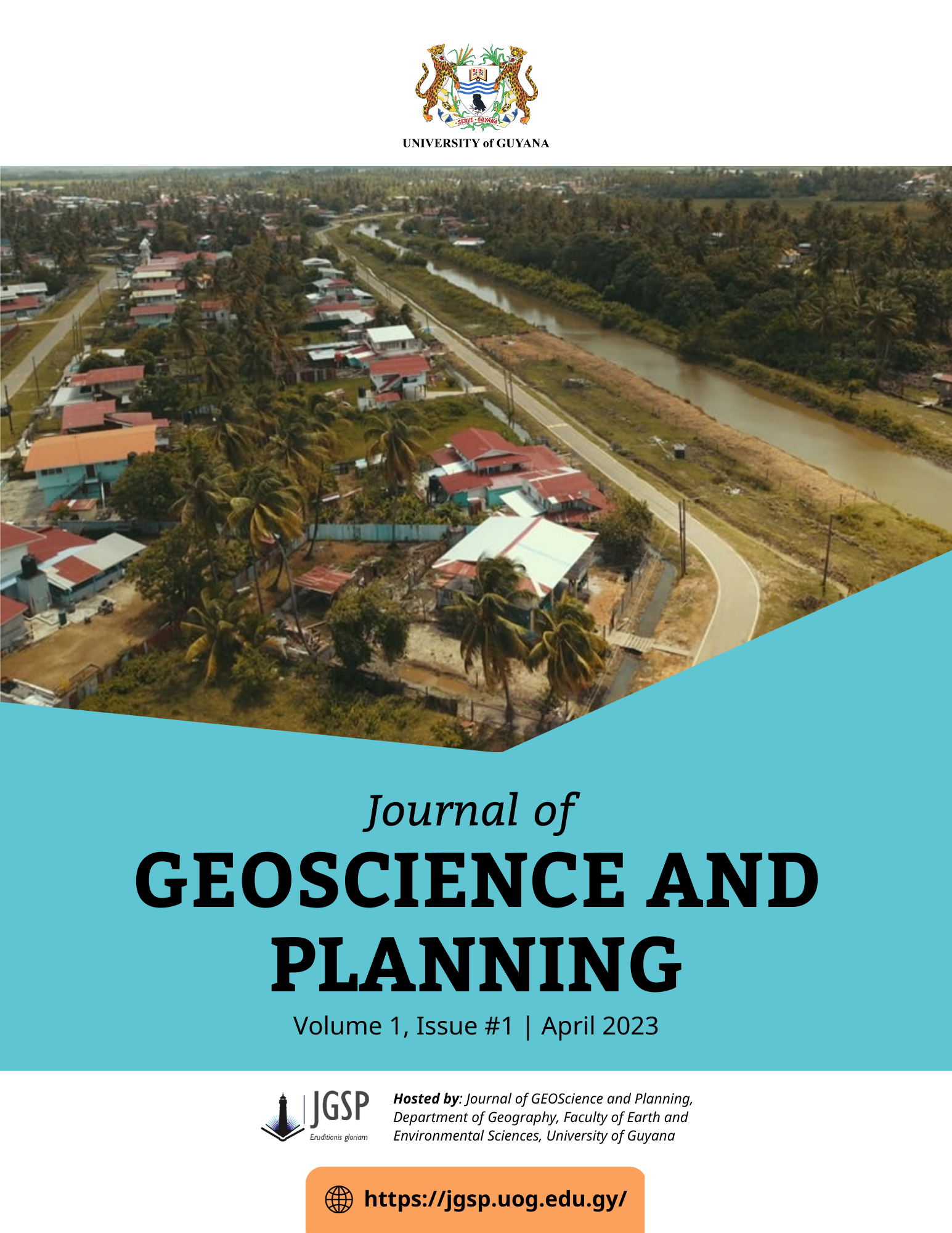
- Cover Image
-
- Downloads
- Published
- 2023-06-15
- Section
- Articles